Ambassador Blog

Pride For A New Future (And How Gay Men Can Rediscover It)

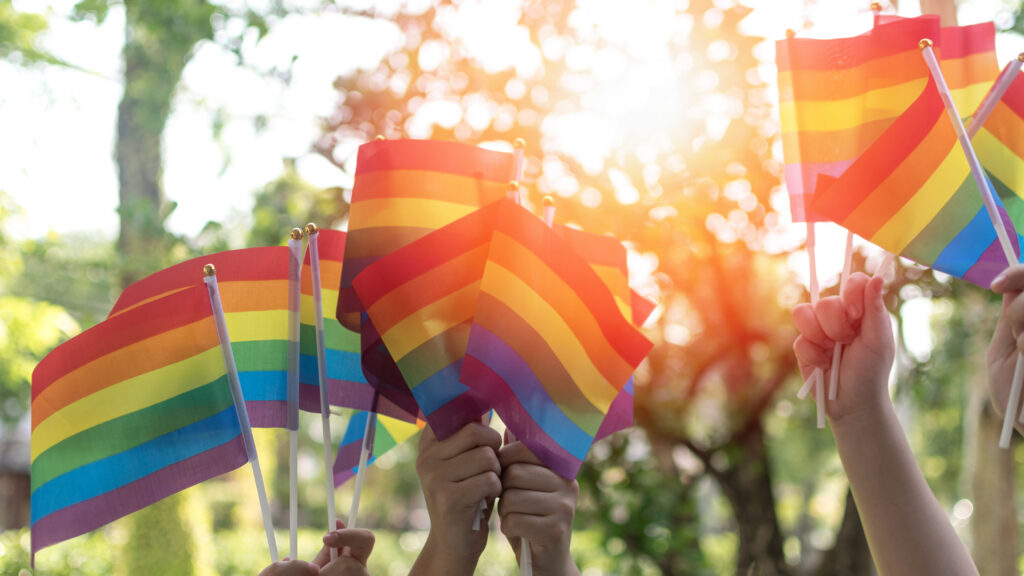
     By Ross Reagan       June 29, 2026   If you could live everyday like it was Pride Month, what would that look like for you? As Pride month comes to a close, I’ve been considering the true meaning of the word–both in terms of its rich, tumultuous history and our current ways of celebrating. What started as a small gay march celebrating freedom in the 1970’s has evolved into a global movement of strength and courage in the face of adversity.  The coined term “Pride Month” most of us are familiar with today involves celebrating diversity and equal rights among our LGBTQ+ fellows. Major cities across the world have parades, special events, marches, festivals, and we hope to achieve a deeper sense of connection by participating.  To continue my understanding, I’ve also been considering and deeply curious about how other gay men view and experience Pride, its meaning, and if the word stirs up a mix of emotions for those who don’t find a deeper sense of connection while attending. I’ve been asking myself, What are the differences and similarities between the words “Pride” and “pride”? and How do we develop a healthy, everyday sense of pride for ourselves? A Brief History of Pride  The first Gay Pride march was held in New York City on Sunday, June 28, 1970. The original name ascribed to the march was called Christopher Street Liberation Day. It was held to honor the one-year anniversary of the Stonewall Riots and advocate for fundamental human rights in the wake of inequality.  Within two years, marches were led in cities across the country and globe: Chicago, Los Angeles, San Francisco, Boston, Dallas, Washington D.C., Paris, West Berlin, Stockholm, and London (and many more). The goal was to eliminate all types of discrimination against gay people, whether that be in the workplace, doctor’s office, schools, or public places. These marches were not requests: they were demands for protection.  After a series of laws decriminalizing homosexuality in the ‘70’s, we found successful momentum in not only more protections, but in representing our healthy sexuality to the world. By the end of the decade, Gilbert Baker designed and created the first rainbow flag we know today, flown during San Francisco’s Gay Freedom Day Parade in 1978.  The focus has shifted in many places today from a do-or-die march for human rights into a celebration filled with elaborate costumes, music, and fun events.   The Pride that we celebrate today is based on a rich history of movements demonstrating our fight for equality. Everyone involved in the fight should be honored and recognized as key activists (please see reference list for sources consolidated, which summarize many who tirelessly fought for our freedoms today). The Dictionary Definition Combined With Our Version Today Broadly speaking, the word “pride,” according to Merriam-Webster, means “reasonable self-esteem, confidence and satisfaction in oneself, and self-respect.” Although the word has many additional variations, and even negative connotations, “pride” monitors and reflects our inherent value as humans.  If we look back at the history of Pride, activists fought for their fundamental rights because nobody should be denied their basic rights to exist in love, in relationship to others, and to themselves. The word “pride” means praising our accomplishments and demonstrating self-confidence, and that definition is rightfully evidenced from our liberation days. The combination of “pride” and “Pride” reveals that the hard work we put out in the world to free ourselves from persecution supports our love for ourselves and others. While our rights today are still threatened in a broader cultural context and tumultuous political landscape, there exists many threats from within our gay community. The paradigm shift begs a questions we face with each other: Who are we fighting for now?  How much healthy self-esteem do we have for ourselves and are we really ever satisfied? What Holds Us Back from Healthy Pride Pride Month can also bring up feelings of unworthiness and shame. Events today showcase an unhealthy attention to body types, partying and drugs, and sex. The yearning for authentic connection versus our disconnective behaviors create the ultimate paradox. Our desire to be authentic is complicated by what the media offers us as healthy. Many of us enter into adulthood with bruised and beaten parts of ourselves, desperate for love and support in an accepting and authentic community. We often struggle with:   All of these factors can influence our feelings of low self-esteem, denying us a healthy sense of pride. If both “pride” and “Pride” is what we want to celebrate and experience, then how do we get there in the wake of chaos, shame, and uncertainty?  What ways can we express our pride that honor our sense of self? The Gay Men Going Deeper Resource for Pride As for gay men (and everyone), we should be celebrating our self-confidence, self-esteem, and self-respect every month of the year. If you don’t know where to begin, The GMGD podcast created a playlist that speaks to many of these struggles gay men face, and how to work on overcoming them. We’ve chosen twenty episodes over the course of five years that address crucial issues most of us can relate to. They are universal topics we believe you can benefit from no matter where you are in your personal healing journey. You can find the link to the playlist here. Additionally, we’ve picked five essential interviews from our podcast that explore specific topics with other experts in the gay community. The ultimate goal is to give you the tools to develop your own loving sense of pride, to be proud of your own accomplishments and journey, and to pass along the message to our fellow gay brothers in need. With all of that, I’d like to offer you a gentle, loving reminder: Don’t just live from the essence of one liberated day and month, but go out there and strive for a liberated life. Our gayness, queerness, and individual sexuality have always been here. Pride is

Pride For A New Future (And How Gay Men Can Rediscover It) Read More »
Coming Out on His Own Terms, In His Own Time: Amir’s Story

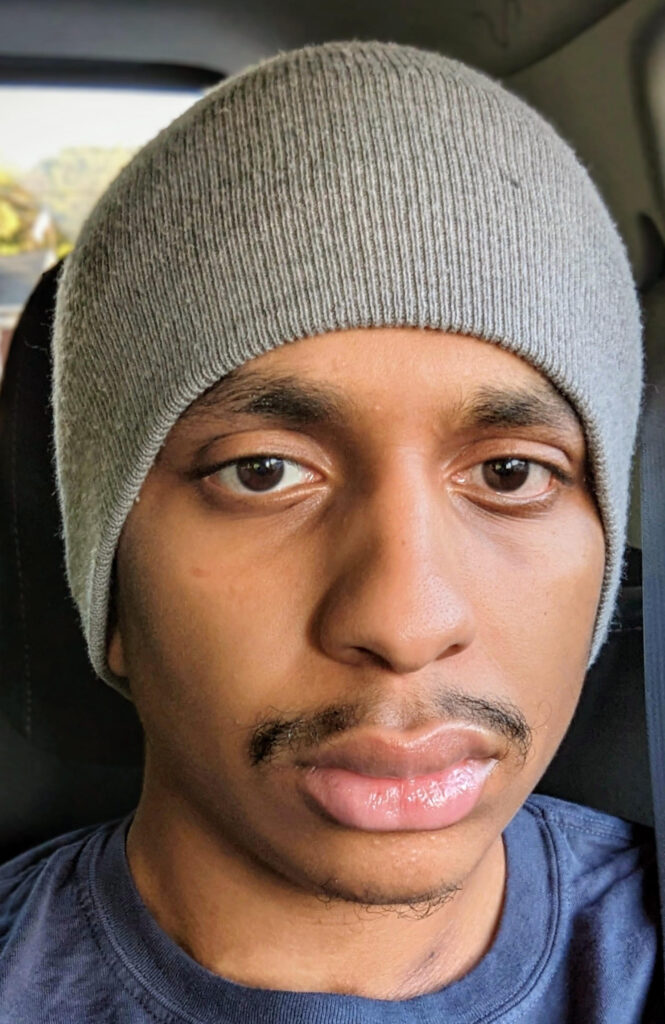
March 1, 2026 As gay men, we often hear a variety of coming out stories, but we don’t always hear coming out stories as a process. The narrative could be categorized majorly as a one-time event. We see it in media. We hear the nerve-racking process from other gay men. What does it mean, then, to slowly come out to your friends and family instead of announcing it to everyone all at once? Amir Shahid was born in New York, but raised in Georgia where he’s spent most of his life. He loves photography, cooking, anime, gaming, and learning new things. With two older sisters and one younger brother, he’s grown up around different sexualities. Both of his sisters came out as lesbians. Now twenty-five, Amir is growing into his sexuality and navigating disclosing it to his close family. He’s been finding support and comfort with coming out on his own terms in his own time. And a lot of that comfort and support stemmed from watching the Gay Men Going Deeper Podcast with Matt and Michael a few years back. In 2025, he came back to the videos and something spoke to him on a deeper level. He wanted to build friendships and became a part of an accepting community so he decided to join the group. Soon, everything came into place.   I had the great opportunity to sit down with Amir and talk more in depth about his work in progress with coming out and everything in between. How is your experience being with the Gay Men’s Brotherhood group going so far? It’s been pretty good. I’ve got to share who I really am. I really like being able to talk to different group members from around the world. I also recently made a friend from the group. I didn’t know if I was going to make friends so that was really exciting. I would really love to make more friendships in the LGBTQ+ community. My interactions with gay men in particular have not been interactions that I really like. Other than the sexual nature of it, I’ve rarely had any real interactions where I got to know someone on a deep level where we became friends. What is the gay community like where you currently live? Do you participate in the gay community? There’s a large gay community around my area, but for the longest time, I’ve been hiding my sexuality. When you’re hiding that, it’s not easy to go around and participate. This year was the first year [2025] where I started interacting with the LGBTQ community in a healthy way. I played tennis at an LGBTQ-friendly tennis center. This year has been a really transformational year in terms of accepting my identity. One area of my life that I’m really working on is being able to be comfortable with who I truly am. I am not out; I’m not openly gay to anyone in my family. It’s in part because I am not completely okay with everyone knowing that I’m gay. It’s a process of trying to heal from past traumas of my parents and grandparent saying certain things and behaving in certain unsavory ways around the topic of homosexuality and you know—just how society views certain things. With accepting your identity more and more every day, where do you see yourself in a few years? I have thought about participating more in the community. There are things about me that hold me back like anxiety, but I’m trying to just be freer and more open. I still feel like I can’t truly be myself, but I am opening up to the possibility of letting the fears go and letting people know who I am. You previously mentioned that you haven’t come out to your family yet. Has your family’s attitude changed over the years when it comes to acceptance? Their attitudes have changed. I have two older sisters and they actually both came out as lesbians. I think that changed the way my family thought about the LGBTQ community and how that works. In terms of coming out, I feel like I haven’t truly found my independence from my family and it makes me nervous to come out to them. It’s a mix of that and me overthinking coming out to them because of certain religious parts. People saying things like If you’re gay, you’re going to Hell. I feel like I still have some of that trauma, but with my sisters coming out I feel like I’m more ready to come out than I’ve ever been. That’s inspiring to hear that your sisters came out and it’s giving you some more initiative to come out in the future when you’re ready. Do you feel inspired? It’s really inspiring. When I first knew I was gay, I thought that I was the only one who was gay in the family because my sisters talked about boys a lot. But once they came out, I forgot what I was so afraid of. One word you use to describe yourself is curious. Can you speak more to how that shapes your identity? I feel like being curious has helped shape my identity in order to realize that I am gay. It also helped me realize there’s so much more to who Amir really is. I want to explore what it means to be gay: what it means to explore by body, my thoughts, and the community . . . and also just being curious about people. Why people do the things that they do. Why people might feel the way they feel. I feel like curiosity is such an important thing to have. Is there anything else you wanted to add about your experience? I want people to be kind to other people. We’re all going thought things and there’s things we do and don’t tell people until we’re more comfortable. Have kindness and respect towards everyone. I’d be more than happy to chat

Coming Out on His Own Terms, In His Own Time: Amir’s Story Read More »

To Grieve Deeply. To Love Deeply: Jacques Story

January 18th, 2026   One of the great pleasures of interviewing other members from the Gay Men’s Brotherhood is meeting people from around the world. I’ve talked to other gay men in different cities, states, countries, and (now) continents.   Before the New Year, I sat down with Jacques, born and raised near Cape Town, South Africa, who joined the GMB group last year. Since then, he has shared inspiring reminders for all of us, like facing our fears and being confident in queer spaces, embracing our bodies, and celebrating getting older. He has also shared openly about his history of substance abuse for 11 years, his positive HIV status, and the recent loss of his husband, Pierre.  Being so active and connected to us all, Jacques’ posts remind me of beautiful gems of wisdom I can’t find anywhere else but in the GMB community. He is a living, breathing testament to two very powerful gifts life has to offer if we have the courage to take  them: love and growth. When asked what he’s looking forward to this year, he said. “I’m looking for something different. I turned 50 in May and I’m looking for something more than the 35-year-old version of me would have been looking for…it is to see what I’m capable of because I would always limit myself… this is completely new territory for me. I’m open to taking chances. I’m flexing my muscles to be comfortable with being uncomfortable because I know the growth lies outside my comfort zone.” This growth didn’t come easy for Jacques. As it often does for us, it came as a result from a great deal of pain. Sixteen months ago, Jacques tragically lost his husband, Pierre. Since then, he has shared how he’s coped, found serenity, and reached out to the group for love and support. He shared with me what happens when you lose the love of your life after 19 years. He explained what moving through grief looks and feels like for gay men: “After driving home from the hospital and saying goodbye [to Pierre], I remember I was almost home and I looked around. I talked to myself and I said, ‘I don’t want to go through this.’ And I made a count of how many people are left in my life. Pierre was my lover, my son, my brother. My family. My all-in-one person was taken away from me in one instant in one moment.” Many gay men feel disconnected from the gay community, and when they lose their partner, they often don’t have other friends and family to connect with or gain support from like our straight counterparts would. But joining the Gay Men’s Brotherhood gave Jacques a safe space to grieve the loss of his husband:  “VISIBILITY is always important in the gay community. Even though I was completely broken for more than a year, I mourned him very OPENLY (at work, in my home town, with people that I met). I wanted everyone around me to see that men can DEEPLY love men, that my pain is real and valid and that gay relationships can last just as long as hetero ones.” Thankfully, we are living in a world much more accepting and celebratory, where the pain and joys of being open as gay men are seen as valid and sacred. We have spaces where we can be seen through our grief. As Jacques and I continued our chat, I realized the love Jacques gave to his husband was equal if not more evident in the love he showed for himself. But that love is sometimes hard to access from others. As gay men, we are given cultural lessons to mask our own personality, to hide the different parts of us that make us gay. To love less in order to shield our fears of rejection. Growing up near Cape Town, South Africa, Jacques  was raised in a religious household. He was the younger brother who always had to be the quiet, hardworking type in order to feel seen or valued. “I needed to perform, I needed to be the good boy,”  he said. “Keep quiet because they might discover this secret about me.” In his early twenties, Jacques met and dated another man twenty four years his senior. After seven years together, he realized he was looking for a father figure in this person, losing sight of what he wanted out of life. He found himself burnt out.  “I felt twice my age by 30. I wanted to recapture my youth and make up for lost time.” But the irony of living a potentially free life, untangled by the demands of a relationship, seemed to create another conflict in the vibrant, gay-centric city of Cape Town. Although big metropolitan cities offer a variety of gay men and events to choose from, the setback can lie in some of the shallow behavior, projections, and walls gay men build around them. “I’ve always felt disconnected from the gay population,” Jacques admitted. “I didn’t really connect well with the kind of circles people moved around in. I wasn’t someone who wanted to go clubbing until four o’clock in the morning. I didn’t want to be around a lot of drinking. It’s very cliquey in Cape Town. If you’re not a part of the ‘it’ crowd in the village, it’s difficult.” The “it” crowd is something many of us can relate to and are familiar with: people and events that center around sex and drinking/drugs first, with a lack of substance. Ironically, Jaques fell into a life of substance abuse and got hooked on “Party ‘n Play” in his thirties: “I quickly got trapped in its sticky web. There was no escape,” he said. “I lost everything financially (twice) and all my friendships and family connections dissolved. I tried many times to stop and failed. Three years and ten months ago I finally made a truthful decision that I didn’t want to do it anymore.

To Grieve Deeply. To Love Deeply: Jacques Story Read More »

A New Type of Gay Blog: Welcome and Introduction

November 19, 2025 The Gay Men’s Brotherhood was founded in 2019 in order to bring a new type of voice and healing to our gay community. Within six years, over 250 podcast episodes have been created, nearly 450 Youtube videos uploaded, and over 30,000 social media followers listening and contributing to the Brotherhood. This exceptional growth has produced and reaffirmed a need for connecting gay men across the world. The continued success has culminated into a desire to create a blog highlighting who we all are on a personal level from members of our community.  Since the beginning, the leaders of the group have given me and thousands of others unconditional understanding and incredible strength when we couldn’t find it anywhere else. The topics have ranged from exploring our relationships with mental health, sexuality, personal development, and so many more. The goal, vision, and mission has been to create a new type of gay community.  And if we look at our community, a place to find connection and healing is difficult. If we’ve read anything about the pioneers of gay history, we’ve found the most influential were LGBTQIA+ people tired of living in an unaccepting world. Political uprisings created change. Historical tragedies brought awareness. Great leaders went out in the community, protesting in the streets, demanding to be seen, heard, and respected.  As gay men, we’ve been through major life events directly affecting us or someone we know and love. We’ve experienced epidemics and civil rights battles like the Stonewall uprising, decriminalizing homosexuality, AIDS, and the fight for gay marriage.  Now, we are well into the twenty-first century, but suffering from many new insidious creations: the negative effects of social media and hookup apps, images of perfect male bodies contributing to an ever-increasing low sense of self-worth, and addiction to alcohol, drugs, sex, and food. Overall, the existential crisis of what it means to be gay has never felt so relevant and so muddled at the same time.  But just like the GMB is a “new type of community,” that new type of gay community needs to be heard from all of our members. The gay men who have fought long battles, short battles, both near and far. The GMB is looking to feature those voices in a blog every month, bridging the gap between the connection and similarities we all share versus the differences and anxieties the world is showing us.  Our new vision, an extension of the GMB, is to let new voices shine. Let these blog posts culminate into a “new type of blog,” where all are welcome and topics extend beyond the shallow sentiments we often see in our community. We want to hear your voice, no matter where you’re at in your healing journey. Recommended GMB Podcasts    

A New Type of Gay Blog: Welcome and Introduction Read More »